You've got £100 left at the end of the month.
Maybe it's the first time in a while. Maybe you cut something back, picked up an extra shift, or just had a quieter month. Either way — there it is. A little breathing room.
And now you're staring at it wondering: do I throw it at my debt, or finally start that savings pot?
It feels like it should be simple. It isn't. And the reason most advice on this topic falls flat is that it gives you a universal answer to a very personal question.
This article won't do that. Instead, it'll give you a framework — three honest questions — so you can find your answer, based on your actual situation.
Why This Decision Matters More Than People Think
£100 might not sound life-changing. But the habit you build around it is.
If you consistently put extra money toward debt, you could save thousands in interest and finish years ahead of schedule. If you consistently build savings first, you stop the cycle of going further into debt every time something unexpected happens.
Both matter. The question is: which one matters more for you, right now?
Getting this wrong doesn't ruin you — but getting it right compounds over time in ways that genuinely change your financial life.
The Case for Paying Debt First
Here's the uncomfortable truth about debt: it's expensive to keep.
If you have a credit card charging 26% interest, every £100 you leave on that balance costs you £26 a year — just to stand still. That's not a metaphor. That's money leaving your account every month, silently, while you sleep.
An extra £100 toward that debt doesn't just reduce your balance by £100. It reduces the interest you'll pay on every future statement. Over a year, that one decision could save you more than the £100 itself.
The case for debt first is strongest when:
- Your interest rate is above 10% (credit cards, overdrafts, personal loans)
- You're only making minimum payments and the balance isn't moving
- The debt stress is affecting your daily life
- You already have a small buffer in place (even £300–£500)
Want to see exactly what an extra £100 a month would do to your debt timeline?
Free tool
Put your numbers in and see how much interest you could save — and how many months sooner you'd be debt-free.
→ Use the Free Debt CalculatorThe Case for Saving First
Here's the thing nobody tells you when they say "pay off debt first": if you have no savings buffer and something goes wrong, you'll borrow again.
A broken boiler. A car repair. A week off sick. These aren't rare events — they're just life. And if your only option when they happen is a credit card, you're not making progress. You're running on a treadmill.
A small savings buffer — even £500 — breaks that cycle. It means the next unexpected expense doesn't automatically become new debt.
The case for saving first is strongest when:
- You have no savings at all — not even £200
- You've been in a cycle of paying debt down, then borrowing again
- Your debt interest rate is relatively low (under 10%)
- You're in an unstable income period (freelance, irregular hours, job transition)
Even a small buffer changes how you make decisions. It removes the panic. And calm decisions are almost always better financial decisions.
Free tool
Use the free Savings Tracker to set up your first buffer pot — even if you're starting from zero.
→ Use the Free Savings TrackerThe One Rule That Changes Everything
If you only take one thing from this article, make it this:
Build a £500–£1,000 buffer first. Then attack debt.
This isn't a compromise. It's a strategy. Here's why it works:
- A buffer stops you from borrowing again when life happens
- Once it's in place, every extra pound can go to debt without fear
- It gives you the psychological stability to stay consistent
- Consistency — not the perfect plan — is what actually clears debt
If you already have £500+ saved, skip straight to debt. If you don't, your first goal is the buffer — even if it takes two or three months to build it.
Your Simple Decision Framework: 3 Questions
Answer these honestly:
1. Do you have at least £500 in savings right now?
No → Build your buffer first. Put the £100 into savings until you reach £500.
Yes → Move to question 2.
2. Is any of your debt above 10% interest?
Yes → Put the £100 toward your highest-interest debt.
No → Move to question 3.
3. Is your income stable right now?
No → Keep building savings until you have 1–2 months of essential expenses covered.
Yes → Split it: £70 to debt, £30 to savings. Or go all-in on debt if you're motivated.
That's it. No spreadsheet required. Just three honest answers.
What to Do With Your Next £100 Right Now
Don't let this sit as an idea. Here's the action:
- Check your savings balance. Do you have £500 or more? Yes or no.
- Check your highest interest rate. Look at your credit card or loan statement.
- Make the transfer today — not at the end of the month, not when you "get around to it." Today.
The best financial decision is the one you actually make. A slightly imperfect choice made today beats a perfect plan that stays in your head.
And if you're still not sure which area — debt, savings, or budget — deserves your focus most right now, the Money Quiz will tell you in three questions.
Not sure what to focus on first?
Find your main money pressure point
Budget, debt, savings — answer 3 quick questions and find the one thing worth focusing on right now.
Take the Money Quiz →Want a ready-made system to track both your debt and savings in one place?
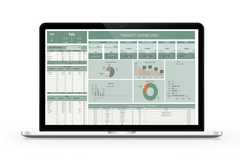
The Monthly Budget Spreadsheet tracks your debt payoff progress, savings pots, and monthly budget — so nothing slips through the gaps.
Related reading:
Avalanche vs. Snowball: Which Debt Strategy Saves You the Most?
How to Decide Between Saving and Paying Off Debt First (UK 2026)
How to Build an Emergency Fund in 4 Easy Steps