We’re surrounded by feeds full of designer drops and “must-haves.” The rush is real—then it fades. Instead of chasing the next thing, use money to buy outcomes you actually want: time, security, connection, and progress.
What “wealth” should do
Wealth isn’t a pile of objects; it’s the ability to:
- cover shocks without panic,
- spend time how you choose,
- support people and causes you care about,
- keep learning and enjoying your life.
Below: practical shifts to get there—no virtue signalling, just moves you can make this week.
1) Swap “more” for “meaning”
Question: “If I buy this, what will it do for me in 90 days?”
- If the answer is “look cool,” skip.
- If it’s “save 2 hours a week” or “let me learn X,” consider.
Try this (30 seconds): add a “Why buy?” note next to any cart item. If you can’t write a useful outcome in one line, remove it.

2) Turn clutter into cash (and relief)
Keep what you use and love. Sell or donate the rest—quickly.
List for sale:
- Whatnot (fast live auctions for all sort of clothes, jewellery, bags, children clothes, collectibles—Funko, cards, sneakers).
- eBay (mixed items, best reach; use sold-filter to price).
- Vinted (UK-friendly for clothes, trainers, kids’ wear—no selling fees).
- Donate: local charity shops, Freegle/Freecycle, Olio (giveaway).
- Recycle tech: CEX, Apple Trade-In, MusicMagpie.
Fast declutter play: pick one shelf/wardrobe rail. 15 mins: Keep / Sell / Donate. List 3 items today.
3) Buy experiences, not status
Experiences compound; status fades.
- Low-cost ideas: picnic + museum late entry, self-guided city walk, library maker space, local gigs.
- Skill swaps: language exchange, cooking class via community centre, parkrun volunteering.
- Upgrade family time: monthly “£20 challenge”—plan the best day for £20.
Budget move: set a monthly “experience pot” (£25–£50) before any discretionary shopping. Visit the English Heritage site

4) Build a buffer before you optimise
Peace > percent.
- First target: £500–£1,000 in an easy-access pot (FSCS-protected).
- Then automate: standing order the day after payday.
- Only then worry about regular savers vs fixed rates.
Where to park it (UK): high-interest easy-access accounts (check caps), Premium Bonds for some, separate pot in your main bank for visibility.
READ: The Savings Waterfall (UK): The Simple Order That Actually Works
5) Practice gratitude without the fluff
It stops the “more, more, more” loop.
-
Daily prompt (30 sec): one line: “Already have:”
e.g., a warm home, a friend I can call, a body that walks me places. - Monthly audit: look at last statement and highlight five spends that genuinely improved life. Do more of those, less of the rest.
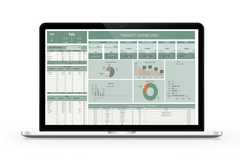
Try One-tab Budget Planner and Monthly Expense Tracker in Google sheets
6) Align your money with your values
If you say “health, learning, family” but your card says “impulse buys,” there’s a gap.
- Rule of 3 Pots:
- Security (rent/mortgage, bills, buffer)
- Growth (courses, tools, books)
- Joy (experiences, hobbies)
- Set rough percentages (e.g., 60 / 20 / 20) and automate them.
Example: £100 spare → £60 Buffer, £20 Course fund, £20 Family day.

7) Redefine luxury
Luxury that lasts: a calm calendar, 8 hours’ sleep, a reliable bike/car, a home you enjoy.
Spend to reduce friction: better mattress, decent pans, faster internet—things that pay you back daily.
Quick test: “Will this make future-me’s day easier?” If yes, green light.
8) Social media without the envy tax
- Mute/Unfollow “haul” accounts.
- Follow creators who teach: investing basics, frugal cooking, local hikes.
- Set a 10-minute timer; save useful posts to an “Action” folder you check weekly.
9) A one-page plan (so this sticks)
- This week: list/sell 3 items (Whatnot/eBay/Vinted), start £20 auto-transfer to buffer.
- This month: one paid and one free experience.
- This quarter: fund one skill (course, certification, toolkit).
- Always: ask “What outcome do I want?” before buying.
Bottom line
Chasing shiny things is easy. Building a life you enjoy is simpler: fewer objects, clearer priorities, steady systems. Use money to buy outcomes—time, security, connection, progress—and the “wealth” feeling stops being a moving target.